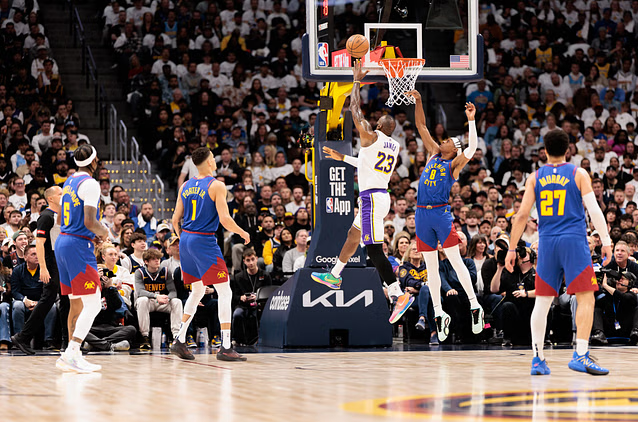
For a comprehensive guide on the player stats from a Lakers vs Denver Nuggets game, here’s a breakdown of key statistics typically provided during such a matchup lakers vs denver nuggets match player stats:
1. Points
- Leading Scorer: Who scored the most points in the game, broken down by field goals, three-pointers, and free throws.
- Points Per Player: Each player’s total points scored.
2. Assists
- Assist Leaders: Which player facilitated the most assists, showing their role in setting up teammates for scoring opportunities.
- Total Assists Per Player: The total number of assists by each player.
3. Rebounds
- Rebound Leaders: Who grabbed the most rebounds (offensive, defensive, or total rebounds).
- Individual Rebounds: Showing each player’s rebound count, split by offensive and defensive.
4. Field Goals
- Field Goals Made/Attempted (FGM/FGA): How efficient each player was at scoring with the ball, and the overall shooting accuracy of the team.
- Field Goal Percentage (FG%): The percentage of successful field goals based on attempts.
5. Three-Pointers
- Three-Point Field Goals (3PM/3PA): Number of three-pointers made and attempted by each player.
- Three-Point Percentage (3P%): The shooting accuracy from beyond the arc.
6. Free Throws
- Free Throws Made/Attempted (FTM/FTA): Shows the number of free throws made and the number attempted.
- Free Throw Percentage (FT%): How well each player shot from the free-throw line.
7. Turnovers
- Total Turnovers (TO): How many times each player lost possession of the ball to the opponent.
8. Steals
- Steals (STL): The number of times a player successfully took the ball from an opponent.
9. Blocks
- Blocks (BLK): The number of times a player prevented an opponent’s shot attempt from going in.
10. Personal Fouls
- Fouls Committed (PF): Number of fouls each player committed in the game.
- Foul Trouble: Any key player in foul trouble or who was forced to leave the game due to foul accumulation.
11. Plus/Minus
- Plus/Minus (+/-): This stat tells you the point differential when a player is on the court (i.e., how much the team’s score improves or declines while that player is playing).
12. Minutes Played
- Minutes Per Player: How long each player was on the court during the game.
If you are interested in stats from a specific game between the Lakers and the Denver Nuggets, the data is usually available after the game through:
- NBA website or app
- Sports media outlets like ESPN or Bleacher Report
- Basketball reference sites
Let me know if you’re looking for a specific game or season’s stats, and I can guide you through that!
Key Highlights from a recent Lakers vs Nuggets game
key highlights from a recent Lakers vs Nuggets game, I can give you an idea of what to look for, typically based on the latest matchups. Here are some areas where highlights might stand out:
1. Star Player Performances
- LeBron James: If he had a standout game, highlights could include clutch baskets, highlight-reel dunks, or key assists. His leadership and ability to step up in big moments often make him a central figure.
- Anthony Davis: Whether it’s a dominant performance in the paint with blocks, rebounds, or scoring, AD’s contributions on both ends of the floor often dominate highlight reels.
- Nikola Jokić: The Nuggets’ star, known for his unique skills as a center, often shows off his brilliant passing, footwork in the post, and scoring ability from mid-range or beyond the arc.
- Jamal Murray: If Murray goes off for a big scoring game, you might see several three-pointers or flashy layups in transition.
2. High-Energy Moments
- Fast Breaks and Dunks: These moments often feature a lot of speed and athleticism, whether it’s LeBron running the fast break or a sequence with Davis finishing at the rim.
- Game-Changing Blocks: Both teams have players (like AD for the Lakers and Jokić for the Nuggets) capable of making game-changing defensive plays, whether it’s a clutch block to stop an opponent’s shot or a block that leads to an immediate transition play.
3. Clutch Performances
- End of Game Heroics: If the game is close, you may see clutch plays like a buzzer-beater or a critical shot in the final seconds to either take the lead or seal the win.
- Free Throws or Critical Plays: In close matchups, foul shots or critical steals late in the game become part of the highlight reel.
4. Key Runs
- Momentum Shifts: Highlight sequences often capture a team going on a big run, such as the Lakers stringing together consecutive three-pointers or the Nuggets going on a scoring spree.
- Defensive Stops Leading to Offense: Whether it’s a steal by a guard or a big block, those defensive plays that lead to easy fast-break points often turn into exciting highlights.
5. Impactful Team Plays
- Ball Movement and Assists: High-level ball movement leading to wide-open shots, especially when players like LeBron or Jokić make incredible passes to set up teammates for easy baskets, can dominate the highlight reel.
- Big Rebounds: In close games, a crucial offensive rebound or defensive rebound at a key moment can be featured, particularly if it sets up a fast break or second-chance points.
6. Rivalry Dynamics
- If there’s any back-and-forth trash-talking or notable plays between star players, those moments can make the highlight reel as well. Sometimes, there’s a standout moment where one player gets the better of another in a crucial play (e.g., LeBron vs. Jokić).
To watch the highlights of the latest Lakers vs. Nuggets game, you can check out:
- NBA.com’s Highlights Section
- YouTube (official NBA channel)
- ESPN and Bleacher Report
If you’re interested in a specific game, I can try to help find highlights for that matchup!
Offensive Impact Kentavious Caldwell-Pope (KCP)
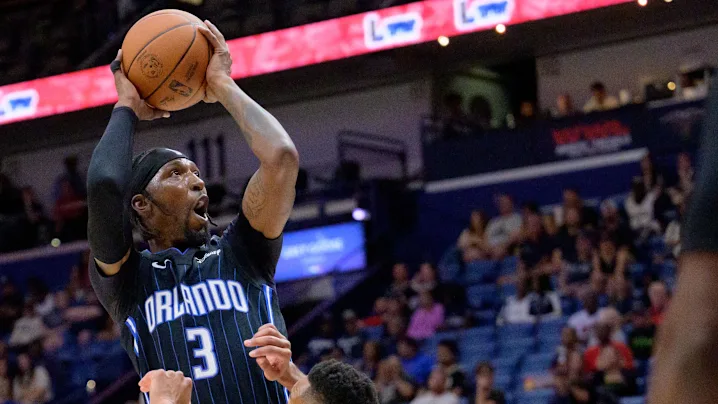
Kentavious Caldwell-Pope (KCP) has been known for his two-way impact on the basketball court, balancing both offensive and defensive responsibilities with a strong all-around game. Here’s a breakdown of his influence on both ends of the floor Lakers vs Denver Nuggets Match Player Stats:
Defensive Impact
KCP has earned a reputation as a strong perimeter defender, often tasked with guarding the opposing team’s best wing player or primary scorer. His defensive stats and abilities make him a key contributor to the defensive schemes of any team he’s on.
1. Perimeter Defense
- On-Ball Defense: KCP is known for his ability to stick with opposing players on the perimeter, utilizing his quick feet, length, and lateral movement to keep shooters in check. He’s especially effective at denying catch-and-shoot opportunities.
- Defensive Rating: Over the years, KCP has consistently posted solid defensive ratings, highlighting his ability to limit his assignment’s efficiency.
- 3-and-D Role: He thrives as a 3-and-D player (providing both three-point shooting and strong defense), making him invaluable in guarding shooters and cutting off passing lanes.
2. Help Defense and Awareness
- Off-Ball Defense: KCP is also excellent in help defense, quickly rotating to contest shots or assist teammates in need. His ability to read the game and anticipate the ball’s movement often leads to steals and deflections.
- Steals and Disruptions: KCP is a solid steal artist, using his length and timing to disrupt passing lanes. He can turn these steals into fast break opportunities.
- Closeouts on Shooters: He’s particularly effective at contesting three-point shots, often forcing tough attempts and limiting the effectiveness of opposing shooters.
3. Versatility
- Guarding Multiple Positions: KCP can defend both shooting guards and small forwards, and even occasionally match up against point guards. His ability to switch on screens and maintain strong defense against multiple types of players gives his team defensive flexibility.
- Defending Star Players: In crucial matchups, KCP’s defensive abilities have allowed him to take on high-scoring opponents, including stars like Stephen Curry, James Harden, and Damian Lillard.
Offensive Impact
While KCP’s primary role is as a defender, his offense has steadily improved, making him a well-rounded player. His offensive skill set complements his defense, making him a valuable contributor on both ends.
1. Three-Point Shooting
- Catch-and-Shoot: KCP is a consistent three-point shooter, especially in catch-and-shoot situations. His ability to space the floor is crucial for the offensive flow, particularly when playing alongside stars like LeBron James or Nikola Jokić. He can hit open threes when defenses collapse into the paint.
- Shooting Percentage: He’s been able to maintain respectable shooting percentages from beyond the arc, often in the range of 36-39% on three-pointers, which is excellent for a guard of his role.
- Floor Spacing: His shooting ability forces defenders to stretch out, giving more room for ball handlers to operate, whether it’s for a drive or a pick-and-roll play Lakers vs Denver Nuggets Match Player Stats.
2. Finishing at the Rim
- Drive and Finish: KCP has also worked on his ability to attack the basket. While he’s not an elite finisher, he can drive past defenders when the opportunity arises and finish with either layups or floaters in the paint.
- Cutting to the Basket: His off-ball movement is impressive. KCP often makes timely cuts to the basket, utilizing his speed and agility to get easy points off backdoor cuts or when his defender falls asleep.
3. Transition Play
- Fast Breaks: KCP is a solid asset in transition, using his speed to get out on the break. His ability to finish fast-break opportunities or spot up for an open three in transition makes him a dangerous threat in up-tempo play.
- Efficient Scoring: While KCP isn’t a primary scorer, he’s effective at capitalizing on fast-paced situations, where his defensive stops can quickly turn into scoring opportunities.
4. Offense Without the Ball
- Screen and Move: KCP is effective at using screens and moving without the ball, finding open spots on the floor for an easy shot. This is especially important when playing alongside primary ball handlers.
- Cutting to the Hoop: In addition to shooting threes, KCP can make well-timed cuts to the basket, either to receive a pass or create opportunities off the ball.
KCP’s defensive prowess and ability to shoot the three make him a perfect fit for teams that require strong defense and floor spacing. His offensive impact might not be flashy, but he contributes efficiently with his shooting, cutting, and ability to capitalize on fast breaks. Defensively, he excels at guarding the perimeter, disrupting passing lanes, and providing help defense in the paint. His versatility, especially in guarding multiple positions, gives teams a lot of flexibility, and his ability to stay locked in on defense against star players boosts his value.
In essence, KCP is a highly effective 3-and-D player whose defensive impact often stands out just as much as his ability to space the floor and contribute on offense Lakers vs Denver Nuggets Match Player Stats.
Anthony Davis’ Struggles and Defensive Presence
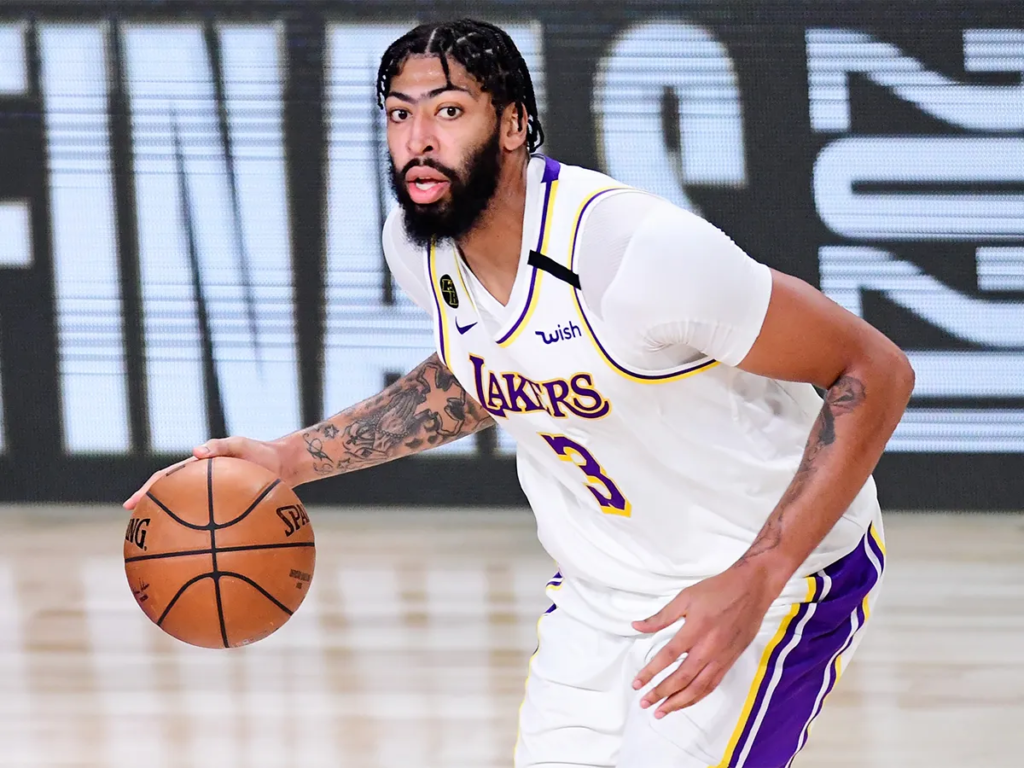
Anthony Davis (AD) is widely regarded as one of the most dominant defenders in the NBA, but like any player, he has experienced struggles throughout his career, particularly in terms of consistency and injury issues. Despite that, his defensive presence remains a major strength of his game, and he’s often seen as the backbone of the Lakers’ defense.
Let’s break down both AD’s struggles and his incredible defensive presence:
1. Anthony Davis’ Struggles
While AD is an elite talent, he has faced a few challenges that can sometimes hinder his overall impact:
A. Injury Concerns
- Injury History: One of the biggest challenges for AD throughout his career has been his injuries. He has dealt with several issues, particularly with his lower body (back, groin, and Achilles). These injuries have caused him to miss significant time in certain seasons, limiting his availability and consistency.
- Durability: The concern about AD’s durability often comes into play, especially in the postseason. His ability to play extended minutes and stay healthy over the course of a season is a significant factor in his overall effectiveness. When healthy, he’s one of the best in the game, but injuries can affect his impact on both ends.
B. Offensive Inconsistencies
- Scoring Efficiency: While Davis is capable of dominating offensively, his scoring efficiency can fluctuate. Sometimes he can struggle with consistency in the mid-range game or finishing inside. This can be particularly noticeable when he faces tough, physical defenders in the post.
- Post Moves and Aggression: While Davis has excellent post moves, there are times when he appears less aggressive, opting for jump shots instead of imposing himself physically inside. This inconsistency can hurt the Lakers’ offense at times, especially when they rely on him as a primary scorer.
- Three-Point Shooting: AD has expanded his game to include the three-pointer, but his shooting from beyond the arc can be streaky. When his three-point shot is off, it can affect his overall offensive production.
C. Mental and Leadership Challenges
- Consistency in Focus: There are moments when AD’s focus and intensity seem to waver. He’s known for his incredible talent, but sometimes his involvement in the offense or defense can ebb and flow during games.
- Leadership: While AD is an elite talent, the Lakers often look to LeBron James as the emotional leader. This dynamic sometimes means that AD doesn’t always take the reigns when the team needs someone to step up, especially in close games.
2. Anthony Davis’ Defensive Presence
Despite the struggles, AD’s defense is what truly sets him apart and cements him as one of the top players in the league. His defensive presence is immense, and here’s how it manifests:
A. Elite Rim Protection
- Shot Blocking: AD is one of the best shot blockers in the NBA. With his length (standing at 6’10” with a 7’6″ wingspan), timing, and leaping ability, he’s a constant threat around the rim. Whether it’s a fast break or a half-court set, AD can erase shots at the basket.
- Defensive Player of the Year Caliber: His shot-blocking ability makes him a game-changer in the paint, often deterring opponents from attacking the rim. His blocks not only stop points but can also lead to fast-break opportunities for the Lakers.
- Altered Shots: Even when he doesn’t block a shot, his presence near the rim forces opponents to adjust their attempts, leading to contested or missed shots.
B. Versatility as a Defender
- Guarding Multiple Positions: One of AD’s most unique qualities is his ability to defend both bigs and perimeter players. He can guard centers, power forwards, and even small forwards at times, making him one of the most versatile defenders in the NBA. Whether it’s defending in the post or switching onto guards on the perimeter, AD can handle it all.
- Switching on Screens: AD’s ability to switch on defense allows the Lakers to stay flexible defensively, especially in pick-and-roll situations. His footwork and lateral quickness allow him to guard smaller, quicker players without giving up much ground.
C. Defensive Rebounding
- Cleaning the Glass: AD is also an elite rebounder, particularly on the defensive end. He consistently grabs rebounds, clearing the glass and limiting opponents’ second-chance opportunities.
- Securing the Paint: His ability to protect the paint, both as a shot-blocker and as a defensive rebounder, is key to the Lakers’ defense. When AD is engaged, the Lakers are often a top-tier team in limiting opponent’s scoring in the paint.
D. Help Defense and Rotations
- Rotational Help: AD is also excellent at help defense. Whether it’s rotating over from the weak side to challenge a shot or covering for a teammate who’s been beaten, AD’s basketball IQ and anticipation allow him to make impactful plays away from the ball.
- Switching on Pick-and-Rolls: His ability to switch and cover ground quickly makes him a vital part of the Lakers’ pick-and-roll defense, often forcing the opposing offense to take difficult shots or turn the ball over.
E. Defensive Impact in the Postseason
- Playoff Performance: One of AD’s most notable traits is his playoff defense. He tends to elevate his defensive game when it matters most. During the Lakers’ 2020 championship run, his ability to neutralize opposing stars like Jokić, Davis, and Adebayo was a significant reason for their success.
- Game-Changing Defensive Plays: AD’s presence in crucial moments—whether through a game-winning block, key rebound, or defensive stop—has become a hallmark of his playoff performances.
While Anthony Davis has struggled with injuries and offensive consistency at times, his defensive presence is what makes him a perennial All-Star and one of the most valuable players in the league. His ability to protect the rim, guard multiple positions, rebound at a high level, and alter shots makes him a nightmare for opposing offenses. When he’s healthy and locked in, Davis is arguably the best defensive player in the NBA and a key reason why the Lakers are often among the top defensive teams in the league.
Despite the occasional inconsistencies offensively or injury concerns, AD’s defensive impact remains transformational, and he is a true difference-maker on that end of the floor.
Lakers vs Nuggets Team Comparison
The Los Angeles Lakers and the Denver Nuggets are two of the top teams in the NBA, each with its own strengths and unique playing style. Here’s a team comparison to help break down how the two stack up against each other in key areas:
1. Team Composition
Los Angeles Lakers
- Key Players:
- LeBron James: Arguably the greatest player of his generation, LeBron is a dynamic playmaker, scorer, and leader. At his age, he remains a top-tier player who can carry the Lakers on both ends of the floor.
- Anthony Davis: One of the best defensive players in the NBA, AD is also an elite scorer and rebounder. His presence in the paint is crucial for the Lakers’ defense.
- Austin Reaves: Emerging as a reliable role player, especially offensively, Reaves adds scoring and playmaking.
- D’Angelo Russell: A scoring point guard who can shoot and facilitate, Russell plays a key role in setting up the offense.
- Strengths:
- Defense: With AD patrolling the paint, LeBron’s versatility, and role players like Jared Vanderbilt, the Lakers are a formidable defensive team.
- Size and Versatility: With players like LeBron and AD, the Lakers can play big or small and are versatile on both ends of the court.
- Transition Play: LeBron and the Lakers excel in transition, using their speed and athleticism to score quickly after turnovers or rebounds.
- Weaknesses:
- Shooting: The Lakers can struggle with consistent three-point shooting, relying heavily on LeBron and AD’s ability to drive and create offense in the paint.
- Consistency: At times, the team struggles with offensive consistency, particularly when their stars aren’t firing on all cylinders.
Denver Nuggets
- Key Players:
- Nikola Jokić: The reigning two-time MVP, Jokić is the engine of the Nuggets. His passing ability, basketball IQ, and scoring make him a dominant force on offense.
- Jamal Murray: A talented guard who can create his own shot, Murray is key for the Nuggets, especially in clutch moments.
- Michael Porter Jr.: A sniper from beyond the arc and a strong offensive presence, Porter adds another layer of scoring to the Nuggets’ offense.
- Aaron Gordon: A strong defender and athlete, Gordon plays a key role both defensively and as a secondary scorer.
- Strengths:
- Offensive Efficiency: The Nuggets run a highly efficient offense, centered around Jokić’s elite passing and playmaking. They excel in ball movement, creating open shots for all their players.
- Spacing and Shooting: With players like Porter Jr. and Murray, Denver excels at creating space for shooters. Jokić’s ability to pass out of the post creates wide-open looks for teammates.
- Depth: Denver has solid depth, with key role players who can step up and contribute when needed, like Bruce Brown, Jeff Green, and Kentavious Caldwell-Pope.
- Weaknesses:
- Defense: While Denver has improved defensively with players like Gordon and Caldwell-Pope, they are not as strong on the defensive end as the Lakers. Jokić, while an elite player, can be vulnerable in certain defensive matchups.
- Perimeter Defense: At times, Denver struggles to contain opposing teams on the perimeter, especially when facing elite shooting teams or guards who can penetrate.
2. Offensive Comparison
- Lakers’ Offense:
- The Lakers’ offense revolves around LeBron James’ playmaking and Anthony Davis’ post presence. LeBron creates shots for others while attacking the basket, and AD’s ability to finish around the rim is a key focal point.
- Transition offense is a big strength for the Lakers, as they can capitalize on fast-break opportunities with LeBron leading the way.
- The Lakers’ offense can be inconsistent, especially when their three-point shooting is off. They often rely on inside scoring and offensive rebounds to generate second-chance points.
- Nuggets’ Offense:
- Nikola Jokić is the key to the Nuggets’ offense, operating as both a scorer and a playmaker. His ability to pass from the post and create shots for teammates is unmatched by any center in the NBA.
- The ball movement in Denver’s offense is elite, often generating open three-point looks or high-percentage shots around the basket.
- Denver is one of the best passing teams in the league, with Jokić being the primary facilitator. Jamal Murray and Michael Porter Jr. are capable of creating offense as well, particularly in pick-and-roll situations.
3. Defensive Comparison
- Lakers’ Defense:
- The Lakers are elite defensively, with Anthony Davis anchoring the defense as one of the top shot blockers and rebounders in the league. They excel in protecting the rim and can suffocate opponents in the paint.
- LeBron James is still a capable defender, using his IQ and physicality to guard multiple positions.
- The Lakers also have solid perimeter defenders in Jared Vanderbilt and Dennis Schröder, making them strong across the board defensively.
- Nuggets’ Defense:
- Denver’s defense is solid but not as elite as the Lakers. Aaron Gordon is a standout defender, often tasked with guarding star players, and Kentavious Caldwell-Pope provides a strong defensive presence on the perimeter.
- Nikola Jokić is a serviceable defender, but he can struggle against quicker, more athletic centers. The Nuggets often rely on their ability to outscore opponents rather than relying solely on defense.
- Denver’s team defense has been much improved, but they don’t have a true defensive anchor like AD.
4. Key Matchups
- LeBron James vs. Michael Porter Jr. / Aaron Gordon: LeBron’s ability to break down defenses and his leadership will be key for the Lakers, while Gordon or Porter Jr. will be tasked with containing him.
- Anthony Davis vs. Nikola Jokić: This is one of the most intriguing matchups. AD’s ability to guard Jokić in the post and contest his shots without fouling is crucial. Jokić, however, can stretch the floor and pass, which makes this matchup unique.
- Jamal Murray vs. D’Angelo Russell: Murray’s scoring ability and clutch performances will be a key factor. Russell, on the other hand, will need to be efficient in both scoring and playmaking to keep up.
5. X-Factors
- Lakers: D’Angelo Russell’s shooting and Austin Reaves’ playmaking are critical in supporting LeBron and AD offensively. The Lakers’ depth is a question mark—if their role players step up, they can challenge any team.
- Nuggets: Aaron Gordon’s defense and Michael Porter Jr.’s shooting will be important for Denver. If these two can contribute at a high level, the Nuggets become even more dangerous.
- The Lakers’ strength lies in their defense, led by AD, and their ability to transition quickly with LeBron and others. However, they can struggle offensively when their shooting is inconsistent.
- The Nuggets’ strength is their elite offense, spearheaded by Jokić’s passing and scoring ability. They are a high-efficiency team, but their defense can sometimes be a liability, especially against elite teams with dominant bigs.
Ultimately, the Lakers rely on their defensive dominance, while the Nuggets are a more offensive-driven team. The matchup between AD and Jokić is likely to be the key determining factor in any contest between these two teams.
Analyzing the Lakers’ Bench Performance lakers vs denver nuggets match player stats
When analyzing the Lakers’ bench performance in a Lakers vs. Denver Nuggets matchup, several key factors come into play. Bench players can often make or break a game, especially in high-stakes matchups. Here’s a breakdown of how the Lakers’ bench may have impacted their game against the Nuggets in terms of individual players and overall contributions.
1. Key Bench Players for the Lakers
- Malik Beasley: Beasley’s ability to stretch the floor with his three-point shooting is crucial for the Lakers. He provides instant offense and space when the starting lineup needs a break. In a game against the Nuggets, his ability to hit outside shots could be vital to spacing the floor and giving LeBron or AD more room to operate.
- Troy Brown Jr.: Known for his perimeter defense and ability to shoot, Troy Brown Jr. can come off the bench and give the Lakers additional depth. His defensive presence could be key in limiting Denver’s shooters or contributing as a secondary ball handler.
- Jared Vanderbilt: As a defensive specialist, Vanderbilt’s ability to guard multiple positions can be huge against the Nuggets’ high-powered offense. His versatility allows him to take on players like Jamal Murray or Michael Porter Jr. and provide crucial stops. Additionally, Vanderbilt’s rebounding can help limit second-chance opportunities for the Nuggets.
- Dennis Schröder: Schröder can bring quickness and scoring off the bench. His defensive intensity and ability to get to the rim allow him to disrupt the flow of opposing offenses. He can also facilitate and make plays for others, which would be especially valuable when the Lakers need to take the pressure off LeBron.
- Wenyen Gabriel: Gabriel’s energy and hustle make him a valuable asset off the bench, especially in limited minutes. His ability to contribute on both ends with his athleticism and rebounding can be beneficial when the Lakers need a spark.
2. Bench Contribution Breakdown in a lakers vs denver nuggets match player stats
A. Scoring and Offensive Support
The Lakers’ bench needs to provide scoring relief for LeBron and AD. In games against the Nuggets, where Denver’s offense can be potent, the bench must generate consistent scoring to keep up with the Nuggets’ offensive firepower.
- Malik Beasley would likely be tasked with providing perimeter shooting. If he can knock down several three-pointers, it could force the Nuggets’ defense to stretch out, opening up lanes for LeBron and AD to attack the paint.
- Dennis Schröder could be vital in pick-and-roll scenarios, where he could either finish at the rim or create opportunities for teammates. His ability to get to the line or make quick decisions in fast breaks can help the Lakers stay in rhythm offensively.
- Troy Brown Jr.’s shooting and off-ball movement could help create additional space for the primary offensive players. If he can hit timely shots, he becomes a valuable contributor.
- Jared Vanderbilt and Wenyen Gabriel might not be offensive juggernauts, but their hustle and energy are important in providing second-chance opportunities, cutting to the basket, and contributing to offensive boards.
B. Defensive Impact
The Lakers’ bench is often at its best when it can sustain defensive intensity for long stretches. In a game against the Nuggets, where players like Jamal Murray, Nikola Jokić, and Michael Porter Jr. can score at will, having players who can come in and defend at a high level is crucial.
- Jared Vanderbilt is perhaps the most important defensive weapon for the Lakers off the bench. His ability to guard multiple positions allows him to lock down key players like Murray or Porter Jr., and his rebounding helps the Lakers secure defensive possessions. If he’s guarding Jokić or contributing to a team defensive scheme, his impact can be huge.
- Troy Brown Jr. provides solid defense on the perimeter, which will be crucial against Denver’s shooters, particularly Porter Jr. and Caldwell-Pope. His defensive ability could be key in limiting Denver’s outside shooting and slowing down their fast breaks.
- Dennis Schröder brings quickness on the ball and can disrupt Denver’s rhythm with his full-court pressure. While not known as a top-tier defender, his ability to disrupt and create turnovers can spark the Lakers’ transition offense.
- Wenyen Gabriel is known for his energy and his ability to guard multiple positions, which gives the Lakers flexibility when switching defensive assignments. He’s an underrated defender who can impact both the paint and the perimeter.
C. Rebounding
Against a team like the Nuggets, which features Nikola Jokić (an elite rebounder) and other strong rebounders like Aaron Gordon, the Lakers need to match up in terms of physicality and rebounding.
- Vanderbilt and Gabriel can help the Lakers secure offensive and defensive rebounds, especially when AD or LeBron are resting. Their hustle and length are critical in contesting Jokić’s rebounds and limiting the Nuggets’ second-chance opportunities.
- Troy Brown Jr. and Schröder are also capable of securing some boards, although the primary rebounders for the Lakers will remain AD and LeBron.
D. Playmaking and Ball Movement
While the Lakers’ bench is known more for its defense, players like Schröder and Beasley can step up as secondary playmakers when needed.
- Schröder’s ability to create plays off the dribble or generate offense in transition will be crucial in games where LeBron or AD may not be on the floor. He can bring energy and tempo to the Lakers’ offensive game plan, especially when it’s needed to keep pace with the Nuggets’ scoring.
- Malik Beasley is more of a scorer than a playmaker, but his shooting and spacing off the ball can help facilitate the offense when paired with other playmakers like LeBron or Russell.
3. Key Bench Contributions for the Lakers in the Game vs. Nuggets
- Malik Beasley: Three-point shooting to stretch the floor and open driving lanes for LeBron and AD.
- Jared Vanderbilt: Defensive stops against the Nuggets’ top scorers (Murray, Porter Jr.), and key rebounds.
- Dennis Schröder: Playmaking and scoring bursts to keep the Lakers competitive, especially in fast breaks.
- Troy Brown Jr.: Defensive stops on the perimeter and potentially hitting timely shots to spread the defense.
- Wenyen Gabriel: Hustle plays, energy, and additional rebounding to keep the Lakers active on both ends of the floor.
4. How the Lakers’ Bench Could Impact the Game
Against a team like the Denver Nuggets, who rely heavily on Nikola Jokić and Jamal Murray for offensive production, the Lakers’ bench has to provide stability and momentum shifts when the stars rest. Denver’s bench can be vulnerable at times, and the Lakers’ reserves can exploit that by increasing defensive intensity, pushing the pace, and capitalizing on transition opportunities.
A strong showing from the Lakers’ bench could also allow LeBron and AD to stay fresh and efficient during critical moments of the game, which could be especially important in the fourth quarter or during crunch time. If the bench can limit Denver’s scoring and provide timely offense, the Lakers can maintain or extend leads and stay competitive in high-pressure situations.
The Lakers’ bench will play a crucial role in any matchup against the lakers vs denver nuggets, especially considering Denver’s offensive potency. By contributing defensively, hitting key shots, and providing energy on the boards, the bench players can give the Lakers the support they need to complement the efforts of LeBron and AD. If the Lakers’ reserves can rise to the occasion, it will significantly increase their chances of outlasting the Nuggets in a high-stakes game.
If you’re looking for player stats from a Lakers vs. Denver Nuggets matchup, here’s a general FAQ that can help guide you on how to understand and find this type of information:
Lakers vs. Denver Nuggets Player Stats FAQ:
1. Where can I find player stats for Lakers vs. Nuggets games?
- NBA Official Website: The NBA’s official site (nba.com) offers detailed stats for every game, including player performance data like points, assists, rebounds, and shooting percentages.
- ESPN: ESPN provides live game updates and player stats with detailed breakdowns of points, minutes played, shooting, and more.
- Basketball-Reference: This site provides historical stats and detailed box scores for every game.
- Team Websites: The Los Angeles Lakers and Denver Nuggets websites also offer game previews, recaps, and individual player stats.
2. What are the most important player stats to look for in a Lakers vs. Nuggets matchup?
- Points Scored: Who’s leading the scoring for each team? LeBron James (Lakers) or Nikola Jokić (Nuggets) are often key players.
- Assists: Playmakers like Jamal Murray (Nuggets) or Russell Westbrook (Lakers) will often have a significant number of assists.
- Rebounds: Players like Anthony Davis (Lakers) and Jokić (Nuggets) are key rebounders and often contribute heavily here.
- Field Goal Percentage (FG%): Indicates shooting efficiency. Both teams have stars known for their ability to score efficiently.
- Three-Point Percentage: With sharpshooters on both teams, the three-point stats can be crucial in these matchups.
- Turnovers: This stat shows how often players are losing possession and can be a significant factor in close games.
3. How do I interpret advanced stats in player performances?
- Player Efficiency Rating (PER): This combines all aspects of a player’s performance into one number, useful to see how efficient they were.
- True Shooting Percentage (TS%): Gives a better idea of scoring efficiency, factoring in two-pointers, three-pointers, and free throws.
- Assist-to-Turnover Ratio: This measures how well a player manages the ball in terms of creating assists without committing turnovers.
4. How do injuries impact player stats in these matchups?
- Injuries can significantly alter the stats and dynamics of a game. If a star player like LeBron James or Anthony Davis is injured, the Lakers’ stats will likely reflect the absence. Similarly, for the Nuggets, missing a player like Jamal Murray can affect scoring and playmaking stats.
5. Are player stats different in regular season vs. playoffs for these teams?
- Regular Season: Stats may vary widely depending on matchups and the regular-season schedule. Players tend to have more balanced minutes.
- Playoffs: Player stats often increase in intensity and importance, especially for key players. Star players like LeBron and Jokić typically step up their performances significantly in playoff matchups.
6. How do I stay updated on live player stats during a Lakers vs. Nuggets game?
- NBA Game Night: Follow the game in real-time on the NBA app or on websites like ESPN, which provide live box scores and stats.
- Social Media: Both teams’ official Twitter accounts, as well as fan pages, frequently post live stats and highlights during the game.
7. What is the significance of a player’s +/- (Plus/Minus) stat?
- The +/- stat indicates how a player’s team performs while they are on the court. A positive number means the player’s team outscored the opponent while they were on the floor, and a negative number means the opposite.
8. Do the Lakers and Nuggets have any key matchups for their players?
- Yes! LeBron James vs. Michael Porter Jr. or Aaron Gordon (defense and scoring matchup) or Nikola Jokić vs. Anthony Davis (rebounding and defense) are often pivotal in these games.
Where to Find Detailed Stats Post-Game:
- Box Score: After a game, you can find the full box score, which breaks down each player’s individual performance in categories like points, rebounds, assists, and more.
- Advanced Metrics: Websites like ESPN or Basketball-Reference provide advanced metrics for a deeper analysis of a player’s contribution beyond basic stats.
Would you like to dive deeper into any of these aspects? I can also help track down specific player performances if you have a particular game in mind!