GamingINTERNET

CS2 Market: Detail Guide Trends and Opportunities in 2025

Counter-Strike 2 (CS2) is a highly anticipated release in the long-running Counter-Strike franchise, and it is positioned to follow up on the massive success of Counter-Strike: Global Offensive (CS:GO). This shift provides an exciting opportunity to analyze the current trends CS2 Market and the opportunities for players, investors, and content creators alike.

1. Game Trends in CS2

As CS2 builds upon the foundation set by CS:GO, certain trends are emerging in terms of both gameplay mechanics and market behavior:

a. Free-to-Play Model

CS:GO transitioned to a free-to-play model several years ago, which was crucial in maintaining a large player base. CS2 is expected to follow this model, making it free to download and play. However, there may be in-game purchases, such as skins, cases, and other cosmetic items, which drive the in-game economy.

b. Enhanced Graphics and Engine

One of the significant features of CS2 is the upgrade to Source 2, Valve’s next-generation engine. This provides enhanced graphics, better physics, and improved performance on modern hardware. The potential for more immersive and visually appealing gameplay could increase player engagement and attract new audiences.

c. Esports Expansion

The Counter-Strike franchise has long been one of the pillars of competitive esports, and CS2 is likely to see continued expansion in the esports arena. Tournaments like steam cs2 market ESL Pro League, Blast Premier, and others have a solid place in the gaming ecosystem, with CS2 bringing potential for new event formats, bigger prize pools, and greater media coverage.

d. Community-Driven Content

Community-driven features such as skins, maps, and mods have been a hallmark of the Counter-Strike franchise. CS2 is expected to maintain and expand upon these features, allowing the community to contribute to the game’s evolution. This opens up opportunities for content creators and modders to build a legacy within the game.

2. Opportunities in the CS2 Market

With the trends in mind, there are several avenues for players and businesses to explore in the CS2 market:

a. Cosmetic Market and Skins

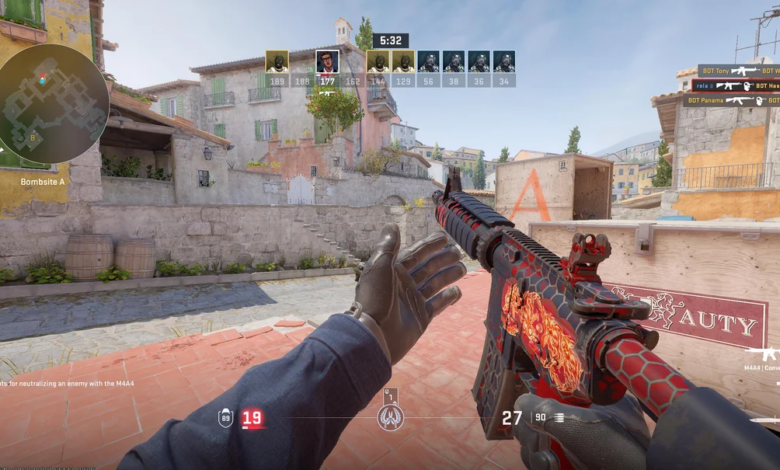
The skin economy, especially in CS:GO, has been a significant part of the market, with millions of dollars being traded in skins and other cosmetic items. CS2 is poised to continue this trend, and there will be numerous opportunities for trading, investing in rare skins, and creating unique cosmetics.

Players who specialize in skin creation or trading can capitalize on the demand for exclusive skins. Additionally, influencers and content creators in the skin market can gain substantial followings by focusing on unboxing, showcasing, and reviewing skins.

b. Esports Betting and Fantasy Leagues

The esports betting industry has grown exponentially over the last decade, and CS2 is well-positioned to continue this trend. As esports tournaments grow in stature, so will the opportunities for fans to place bets on team performance or participate in fantasy leagues.

Platforms offering betting opportunities and fantasy leagues around CS2 tournaments may see increased interest. This could also involve NFTs or cryptocurrency integrations in the betting experience.

c. Streamer and Content Creator Opportunities

With the introduction of a new title, CS2 presents a chance for streamers and content creators to generate fresh content around guides, live streams, gameplay highlights, and esports commentary. As streamers establish their presence in CS2, early adoption can help them grow their channels and build a dedicated fanbase.

Content creators who focus on game strategy, news, patch updates, and custom modding content could see significant engagement, especially if they combine their efforts with popular social media platforms and YouTube.

d. Game Modding and Community Engagement

The modding community will likely thrive with CS2, especially given Valve’s history of supporting modders. Offering custom maps, weapons, and even game modes can open doors for creators to monetize their work through platforms like the Steam Workshop.

Many successful community-driven games and content in CS:GO, like the Danger Zone mode or custom maps, have become integral to the game’s appeal. CS2 market will likely continue this trend, creating an avenue for modders to develop a reputation and even commercialize their creations.

e. Merchandise and Brand Partnerships

As the game grows in popularity, merchandise related to CS2 and esports teams will see increased demand. Players can leverage the popularity of the game to create branded merchandise, including clothing, posters, and other physical goods.

Similarly, brands looking to tap into the esports audience will find opportunities for partnerships with esports organizations, content creators, and events tied to CS2. These partnerships can provide mutual benefits through sponsorships, brand exposure, and cross-promotion.

f. New Player Base and Casual Gamers

While competitive players will dominate the CS2 community, Valve’s commitment to making the game accessible to newcomers and casual gamers means there will be an influx of players who are not necessarily esports-oriented. This provides a unique opportunity for developers to target more casual or recreational game modes, enhancing community engagement.

Popularity in the CS2 Market

As Counter-Strike 2 (CS2) continues to capture the gaming world’s attention, its popularity is rapidly expanding, both in the gaming community and the broader entertainment and esports sectors. The game’s growth is driven by several key factors, from its competitive legacy to its integration of new technologies and features. Here’s a closer look at the factors influencing CS2’s rising popularity and the impact on its market:

1. Strong Legacy of Counter-Strike

CS2 benefits immensely from the legacy of its predecessors, particularly CS:GO, which has maintained an enormous player base for nearly a decade. The Counter-Strike franchise has built a reputation for high-level competitive play and community-driven content, and CS2 capitalizes on these established foundations. The fanbase’s deep connection to the series ensures a built-in audience, making CS2 highly anticipated and easy to integrate into esports tournaments and community spaces.

2. Free-to-Play Model

One of the key factors driving the popularity of CS2 is its free-to-play model, which lowers the barrier to entry for new players. This model has been very successful in CS:GO, and it’s expected that CS2 will follow suit, making the game accessible to a wide audience. The free-to-play nature encourages players from all backgrounds—casual gamers and esports enthusiasts alike—to join the community, leading to significant player base growth.

Impact:

  • Massive Player Pool: Players from all over the world can jump into CS2 without upfront costs, increasing the overall player base.
  • Microtransactions: While the game is free, the introduction of in-game purchases such as skins, cases, and cosmetics ensures that the game remains profitable for developers. These purchases are often popular with players who seek unique, customizable content.

3. Esports and Competitive Scene

CS2 is poised to thrive in the esports scene, continuing the competitive tradition of Counter-Strike. Given the enduring popularity of CS:GO esports leagues like ESL Pro League and Blast Premier, CS2 is expected to quickly establish its own competitive ecosystem.

The integration of professional esports tournaments (with substantial prize pools and global audiences) significantly boosts the game’s popularity by drawing attention from both players and spectators. Esports stars and teams play a huge role in the game’s visibility, and their performances in top-tier tournaments increase its reach.

Impact:

  • Increased Media Exposure: Esports broadcasting on platforms like Twitch, YouTube, and Mixer will drive awareness of CS2, increasing its market visibility.
  • Sponsorship Deals: As esports grow, so do sponsorships and brand partnerships. This not only gives players and teams opportunities to monetize their skills but also strengthens CS2’s position in the gaming market.

4. Improved Graphics and Source 2 Engine

CS2 leverages the Source 2 engine, providing improvements in visuals, physics, and overall performance. This technological advancement offers better graphics and a more polished experience, which appeals to both new players and those who have previously played CS:GO. As a result, CS2 provides a modern, sleek experience while maintaining the core mechanics that fans love.

Impact:

  • Attracting New Audiences: Players who were hesitant about older, less polished games may be drawn to CS2 because of its improved presentation and smoother gameplay.
  • Hardware Demands: With enhanced graphics and more demanding gameplay, CS2 may appeal more to players with higher-end gaming PCs, but it will also need to optimize for lower-end systems to keep the broad player base intact.

5. Community Engagement

The community is an integral part of the Counter-Strike franchise’s popularity, and Valve’s support for user-generated content will continue in CS2. Mods, custom maps, skins, and other community-driven elements are significant drivers of player engagement.

  • Steam Workshop Integration: CS2 will likely have deep integration with Steam Workshop, allowing players to upload their own content, such as custom skins, maps, and game modes, which keeps the game fresh and allows for community involvement.
  • Cosmetic Economy: Skins and cosmetics are a major part of the Counter-Strike experience, and with CS2, players can expect a dynamic market driven by demand for rare items, which drives engagement and investment in the game.

Impact:

  • Longevity and Customization: As players continually add new content and interact with the game, CS2 can enjoy long-term success by catering to evolving tastes and ideas within the community.
  • Content Creators: Streamers, YouTubers, and modders will be crucial in sustaining CS2’s popularity, as they introduce the game to new players, share tips, and showcase interesting mods and skins.

6. Growing Streaming and Influencer Influence

Platforms like Twitch and YouTube have a huge impact on gaming trends, and CS2 is no exception. Influencers and content creators who engage with CS2 attract millions of viewers and followers, directly impacting the game’s popularity. Streamers who specialize in high-skill gameplay, strategy tutorials, and funny moments contribute to making the game more visible and engaging.

  • Streamer Engagement: Big-name streamers and esports athletes participating in CS2 tournaments or streaming casual matches create buzz around the game and encourage others to join.
  • Community-Driven Content: The rise of CS2-specific YouTube channels and Twitch streamers helps spread knowledge about the game’s strategies and updates, maintaining a strong player-driven ecosystem.

Impact:

  • Massive Exposure: Streaming platforms serve as a powerful tool for spreading CS2’s popularity to international audiences.
  • Social Media Buzz: Fans and influencers create social media content (clips, memes, highlights) that goes viral, contributing to the game’s visibility and accessibility.

7. Global Appeal and Regional Communities

Counter-Strike’s global appeal is one of its defining features, and CS2 is expected to continue this trend. The game’s competitive nature and focus on teamwork transcend language and culture, uniting players from around the world in pursuit of victory.

  • Localized Content: With global success comes the need for localization. Valve has historically done well in making Counter-Strike accessible to players from various regions, with translated versions, localized servers, and regional tournaments.
  • Regional Competitions: CS2 will likely see the rise of regional tournaments, which promote competition at the local level and drive grassroots interest in the game.

Impact:

  • International Reach: CS2’s popularity is reinforced by its ability to appeal to diverse cultures and languages, driving global participation and content creation.
  • Local Communities: Regional players and teams can carve out their own niches within the broader ecosystem, fostering localized competitive scenes.

CS2’s skins Growing Popularity

The popularity of CS2 is on an upward trajectory due to a combination of factors such as the established legacy of Counter-Strike, the free-to-play model, the improved graphics from the Source 2 engine, and the game’s deep integration into the esports and streaming ecosystem. The community-driven nature of the game, alongside its global appeal and regional diversity, ensures that CS2 will continue to gain momentum in both casual and competitive spaces. As the game evolves, its market will grow, offering numerous opportunities for players, content creators, investors, and brands to capitalize on its success.

Popularity of CS2 Skins:

The popularity of CS2 skins can be attributed to several key factors, ranging from the game’s cosmetic appeal to its deep integration within the Counter-Strike franchise’s culture and economy. As players of Counter-Strike 2 (CS2) engage in the game, skins have become an integral part of the experience, driving both in-game interactions and external markets. Here’s a detailed look at the reasons behind the immense popularity of CS2 skins:

1. Cosmetic Customization and Self-Expression

One of the primary reasons CS2 skins are so popular is the opportunity for self-expression. Skins allow players to customize the appearance of their weapons, giving them the ability to showcase their personal style and identity within the game.

  • Visual Appeal: Skins can range from simple, minimalist designs to elaborate, intricate artwork, allowing players to choose the aesthetic that suits their preferences.
  • Emotional Connection: Many players form a connection to the skins they own, particularly rare or hard-to-obtain items, which can hold significant sentimental value.

2. Status and Prestige

In CS2, as in previous Counter-Strike games, owning rare skins is a symbol of prestige and status within the community. Certain skins are seen as luxurious or exclusive due to their rarity, age, or limited availability. Players often enjoy showing off their high-value skins to others in matches or streams.

  • Scarcity and Rarity: Some skins are extremely rare, whether because they were only available during a limited time, were part of special event drops, or have been retired from circulation. These rare skins often become highly coveted items on the market.
  • Trade and Investment: Rare skins have created a sub-market in which they are seen as assets. Players collect and trade skins with the hope of making a profit, or simply to own the most exclusive items, further cementing the skins’ status as a marker of prestige.

3. Skin Economy and Market

The skin economy is a massive part of CS2’s overall popularity. Through platforms like Steam CS2 Market and third-party sites, players can buy, sell, and trade skins, with some rare items reaching extraordinary prices.

  • Real Money Transactions: Some skins can sell for thousands of dollars, making them financial investments for collectors and traders. The real-world value of some of these items has contributed to the vibrant and active skin marketplace.
  • Steam Market: Valve’s integration of skins with the Steam platform makes it easy for players to participate in the skin economy. This accessibility to buying, selling, and trading creates a continuous flow of transactions and adds an additional layer of excitement for collectors and investors alike.
  • Third-Party Markets: Beyond the official Steam Market, there are external platforms where players can trade, sell, and purchase skins. These platforms often feature rare skins at significant markups, feeding into the competitive nature of skin collecting.

4. Esports and Influencer Influence

Skins have also become an integral part of the esports and streaming cultures that surround CS2. Esports professionals, influencers, and content creators often showcase their skins as part of their branding and content.

  • Esports Tie-ins: Valve has partnered with esports organizations to create skins based on professional teams and events, which increases the appeal of these skins to fans who want to support their favorite teams. Team skins or tournament skins are often in high demand during major events, such as CS:GO tournaments, and are likely to continue being popular in CS2.
  • Influencer Impact: Popular streamers and YouTubers showcase skins in their content, often unboxing rare items or customizing their weapons for aesthetic purposes. This drives visibility and increases demand for certain skins, particularly those featured in high-profile streams or videos.

5. Game’s Competitive Nature

CS2’s highly competitive environment is another reason for the popularity of skins. Players often invest in skins as a way to personalize their experience within a highly competitive game, where winning matches and excelling in performance is a core element.

  • Weapon Focus: Since players interact with their weapons constantly in CS2, skins serve as a visible and meaningful way to stand out in the game. Customizing one’s loadout with specific skins can become a point of pride and identity.
  • Proving Skill: In some ways, owning rare or expensive skins can be seen as proof of one’s dedication to the game. The time, effort, and/or money spent acquiring rare skins often mirror the player’s commitment to the competitive aspect of the game.

6. Gambling and Luck Factor

The gambling element of opening cases and obtaining skins is another factor that contributes to their popularity. Players can purchase cases, open them, and hope to get a rare skin—this aspect taps into the excitement and uncertainty of chance, much like loot boxes or other forms of in-game gambling.

  • Case Openings: The thrill of opening cases and the anticipation of receiving a rare item makes the skin acquisition process a form of entertainment in itself. Some players enjoy the gamble of getting high-value skins, which can make the experience highly addictive.
  • Skin Gambling: Although controversial, skin gambling websites also play a role in the popularity of CS2 skins. These sites allow players to bet their skins on various games of chance or gamble them for more valuable skins, driving further interest in the skin economy.

7. Community and Social Aspect

The social aspect of CS2 also plays a significant role in the popularity of skins. Trading skins, showing off your collection to friends, or simply browsing others’ inventories allows players to interact with the community in new ways.

  • In-Game Interactions: Showing off rare or unique skins during matches or in lobbies adds a social layer to the game. Players often compare their collections and bond over mutual appreciation for certain skins.
  • Trading Communities: Community-driven sites and forums dedicated to skin trading allow players to connect, negotiate, and share their collections. This fosters a collaborative and interactive environment around skins.

8. Valve’s Continued Support and Innovation

Valve has been committed to supporting the skin economy through continuous updates, new skins, and seasonal content. Regular additions of fresh skins, case openings, and collaborations keep the interest alive and ensure skins remain a crucial part of the CS2 experience.

  • Regular Updates: Valve’s inclusion of new cases, collaborations with artists, and event-specific skins ensures that the market remains dynamic and engaging.
  • Seasonal Events: Limited-time skins released during seasonal events, such as Halloween or Christmas, drive additional interest in skin collections and open opportunities for players to acquire exclusive items.

More Profitable to Trade CS2 Skins?

Trading CS2 skins can be quite profitable, but choosing the right platform and market to buy, sell, or trade skins is crucial for maximizing profit. Several platforms cater to different aspects of the skin economy, each with its own advantages and drawbacks. Here’s a look at the most popular and profitable platforms CS2 Market for trading CS2 skins, as well as factors that can influence your trading success:

1. Steam Market

The Steam Market is the official platform for trading and selling CS2 skins, and while it is convenient, it has certain limitations when compared to third-party marketplaces. Here’s a breakdown:

Pros:

  • Security: The Steam Market is fully integrated with Steam, meaning that trades and transactions are secure and verified.
  • Ease of Use: It’s very easy to buy and sell skins using Steam’s interface, and the process is streamlined for players who already have Steam accounts.
  • Direct Integration with Steam Wallet: Transactions are handled with your Steam Wallet balance, making it easier to manage funds without needing third-party services.

Cons:

  • Higher Fees: Steam takes a 15% marketplace fee on every transaction, which significantly reduces your profit margin, especially when trading high-value skins.
  • Limited Pricing Control: Since Steam sets the prices for skins based on market demand, you may not always get the best price for your items.
  • No Withdrawals to Real Money: You can only use your Steam Wallet funds to purchase other items or games on the platform, meaning you can’t directly cash out your skins into real-world currency.

Profitability Consideration:

While Steam is the safest and most straightforward platform for trading, the high transaction fees and the lack of withdrawal options can make it less profitable for those looking to maximize their profits. However, it’s still a good choice for casual traders or those who primarily use skins for in-game use.

2. Third-Party Marketplaces

For those looking to maximize profit and have more flexibility, third-party skin marketplaces provide opportunities to trade CS2 skins with lower fees and access to real-world payouts. Popular third-party platforms include CS2 Market:

  • SkinBaron
  • Bitskins
  • OPSkins (though it’s now largely defunct, some similar platforms exist)
  • CS.Money
  • TradeIt.gg

Pros:

  • Lower Fees: Most third-party marketplaces charge lower fees than Steam. Fees can range from 5% to 10%, which allows traders to retain more of their profits.
  • Real Money Withdrawals: Many third-party sites allow you to withdraw your earnings as real money via PayPal, bank transfers, or cryptocurrencies.
  • Wider Market Access: These platforms often have larger or international user bases, which can drive up demand and potentially allow you to sell skins at better prices, especially if the skin is rare or in high demand.

Cons:

  • Security Risks: While most third-party marketplaces are legitimate, they don’t have the same level of security as Steam. There’s always some risk when using external sites, especially if you’re not familiar with the platform.
  • Scams and Fraud: Some platforms are less regulated than Steam, and users have to be cautious of scams, particularly when dealing with untrustworthy sellers or buyers.

Profitability Consideration:

Third-party marketplaces are often more profitable than the Steam Market due to their lower fees and ability to withdraw to real currency. If you’re looking to make more money from trading CS2 skins and are comfortable navigating external platforms, these sites are usually the most profitable option.

3. Skin Trading Sites (Peer-to-Peer Platforms)

Peer-to-peer (P2P) platforms like TradeUpSpy and DMarket allow users to trade skins directly with each other, often with the ability to bypass some middleman fees. These sites facilitate trading by creating an open market for users to engage in buying and selling directly.

Pros:

  • No Middleman Fees: P2P platforms often allow you to engage in direct trades, reducing the number of fees and costs involved.
  • Flexibility in Trades: You can negotiate the terms of the trade directly with the other party, allowing you to set your prices, and potentially getting better deals.
  • Bulk Trading: These platforms are useful for bulk transactions, especially for users who want to trade several lower-value skins for a single high-value item.

Cons:

  • Smaller User Base: These platforms might not have the same large user base as Steam or major third-party marketplaces, which could limit the volume of trades you can conduct.
  • Reliability: While some platforms are well-regulated, peer-to-peer platforms can sometimes be more prone to disputes or fraud, requiring users to be diligent.

Profitability Consideration:

Peer-to-peer trading is generally more profitable because it eliminates fees and allows for direct negotiations with other traders. However, these platforms may not be as straightforward or secure as official third-party marketplaces, so they require more careful management of trades.

4. Auction Sites

Auction sites like eBay can be profitable if you’re dealing with rare or highly coveted skins. Auctions allow buyers to bid on your items, which could drive up the price, especially for skins in high demand.

Pros:

  • Potential for High Profits: Auctions can lead to competitive bidding, allowing the price of rare skins to exceed their typical market value.
  • Global Audience: Auction platforms usually have a worldwide user base, which increases exposure to potential buyers.

Cons:

  • Fees: Auction sites often charge seller fees, which can cut into your profits. eBay, for example, charges a 10% to 12% fee.
  • Listing Fees: Some platforms require sellers to pay a listing fee, which could add extra costs.
  • Time-Consuming: Auctions take time, and there’s no guarantee that your item will sell for the price you want.

Profitability Consideration:

Auction platforms can be profitable if you’re dealing with rare skins and are willing to wait for the right buyer. However, high fees and uncertainty about final sale prices make them less reliable than third-party marketplaces or P2P trading platforms CS2 Market.

5. Social Media and Forums

Many traders use social media platforms like Reddit (specifically r/GlobalOffensiveTrade), Discord communities, or other gaming forums to make deals directly with buyers and sellers.

Pros:

  • Zero Fees: When you trade directly with other users, you avoid the fees charged by external platforms, allowing you to keep all the profits.
  • Negotiation: You have the ability to negotiate directly with the buyer or seller, potentially getting a better price.

Cons:

  • Risk of Scams: Trading through social media and forums can be risky, as not all users are trustworthy, and there’s little to no buyer protection.
  • Limited Buyer/Seller Pool: The buyer or seller pool is typically smaller, which can affect how quickly you can find buyers for your skins.

Profitability Consideration:

Trading on social media and forums can be highly profitable due to zero fees, but the risk of scams makes it a less secure option for traders looking to make consistent profits.

Conclusion:

The popularity of CS2 skins stems from a combination of aesthetic appeal, self-expression, rarity, and their integration into the larger game economy. Skins offer players a way to personalize their experience while participating in a thriving market with real-world value. With the continued support of Valve, the growth of esports, and the social and competitive nature of CS2, skins will remain a central part of the game’s identity, driving both in-game engagement and external transactions for years to come.

CS2 is set to capitalize on the massive legacy of its predecessors by embracing new technology, improving accessibility, and expanding its esports ecosystem. With its strong focus on community-driven content, the cosmetic market, and opportunities for content creators, the CS2 market offers a variety of potential for players, businesses, and creators.

The intersection of these trends provides a dynamic environment for those looking to engage with the game professionally, as well as casual players seeking entertainment. As the game evolves, identifying early opportunities in esports, content creation, and trading could lead to significant rewards.

For maximum profitability, third-party marketplaces and peer-to-peer trading platforms are often the best choices for trading CS2 skins, as they typically offer lower fees and more flexibility in pricing and withdrawals. However, Steam Market is a safe and easy option for casual trading, albeit with higher fees.

If you’re an experienced CS2 Market and are willing to navigate potential risks, platforms like SkinBaron, Bitskins, and TradeUpSpy offer the best balance between profit potential and transaction speed. Ultimately, the most profitable platform depends on your specific needs—whether it’s quick trades, low fees, or access to a larger audience.


Leave a Reply

Your email address will not be published. Required fields are marked *

Back to top button